The hidden forces behind the psychology of gambling
The allure of chance and risk
The psychology of gambling is deeply intertwined with the thrill of chance and the allure of risk. Many individuals are drawn to the excitement that accompanies the prospect of winning big, often overlooking the potential losses. This excitement triggers the brain’s reward system, releasing dopamine, which provides a sense of pleasure. Over time, the repeated exposure to these feelings can lead to a psychological dependency on gambling, as players seek out that initial high again and again. For instance, at Crazytower Casino, users can explore a variety of games that further enhance this experience.
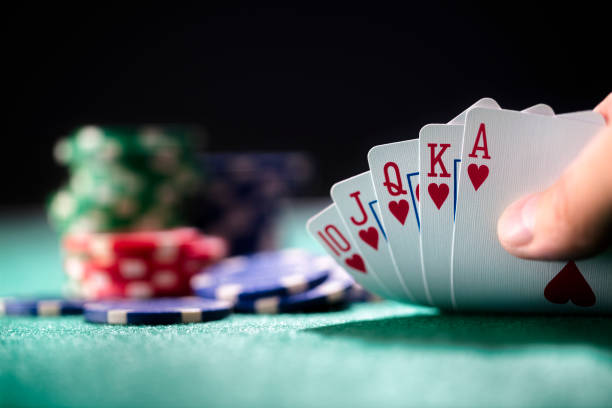
Additionally, the unpredictability of outcomes adds to the excitement. Gamblers often feel a rush of adrenaline when placing bets, which can create a cycle of anticipation. This emotional rollercoaster keeps players engaged, as they experience moments of hope and despair. The more they gamble, the more they become conditioned to associate that risk-taking behavior with positive feelings, often leading to compulsive gambling habits.
The concept of ‘near misses’ also plays a significant role. When players almost win—such as getting two out of three matching symbols—they experience a surge of excitement, reinforcing the idea that a win is just around the corner. This psychological phenomenon can lead to increased gambling, as players believe they are closer to achieving a win, despite the odds being against them.
The impact of social influences
Social factors significantly influence an individual’s approach to gambling. Friends and family can introduce someone to gambling, normalizing the behavior and making it feel acceptable. Social gatherings often include gambling activities, which can further entwine these behaviors with social validation. When gambling becomes a shared experience, it fosters a sense of camaraderie, making it challenging for individuals to recognize unhealthy patterns.
Peer pressure can also play a crucial role, particularly among younger individuals who may feel the need to conform to their social circles. The fear of missing out can drive people to gamble, even if they aren’t inherently interested. This collective mindset can lead to increased gambling frequency, as individuals seek acceptance and validation within their social groups.
Moreover, online gambling platforms have transformed social dynamics. Players can now connect with others around the globe, sharing tips and experiences. This connectivity can enhance the gambling experience but can also lead to increased risk. The anonymity of online gambling can make it easier for individuals to engage in excessive behaviors without the immediate social consequences typically associated with in-person betting.
The role of cognitive biases
Cognitive biases significantly affect how gamblers perceive risks and rewards. One of the most prevalent biases is the ‘gambler’s fallacy,’ where individuals believe that past events influence future outcomes. For instance, if a player has lost several times in a row, they might think they are due for a win, leading them to bet larger amounts. This erroneous reasoning can perpetuate a cycle of loss, as they chase after their perceived “luck.”
Another common cognitive distortion is overconfidence, where players overestimate their ability to predict outcomes. This can be particularly dangerous in games of skill, where individuals may believe they have an edge due to prior experience. Such misconceptions can lead to greater financial risk-taking, as they feel more secure in their abilities than the situation warrants.
The effects of marketing and advertising
Marketing and advertising play a significant role in shaping perceptions of gambling. Casinos and online gambling platforms often depict glamorous lifestyles associated with winning, creating a powerful allure for potential players. This marketing strategy appeals to the desire for excitement and financial gain, often downplaying the risks involved. As a result, individuals may be more inclined to participate in gambling activities, believing they can achieve that lifestyle.
Moreover, promotional offers such as Crazytower casino bonuses and free spins are strategically designed to entice new players. These incentives can create a false sense of security, as players may think they are getting something for nothing. However, these promotions often come with complicated terms and conditions, leading to further gambling as individuals try to meet wagering requirements, potentially increasing losses.
As gambling becomes more mainstream, the distinction between entertainment and addiction blurs. Continuous exposure to gambling advertisements can normalize the activity, making it seem like a casual pastime. This normalization can lead to increased participation, especially among those who may be more vulnerable to addiction due to underlying psychological factors.

Understanding gambling psychology at Crazytower Casino
At Crazytower casino, understanding the psychological nuances of gambling is crucial for creating a safe and enjoyable environment for players. The platform prioritizes player education, offering insights into responsible gambling practices and the psychological aspects of gambling. By helping players recognize the signs of compulsive behavior, Crazytower casino aims to foster a community where gambling is approached with mindfulness and responsibility.
The casino also provides tools for players to manage their gambling habits effectively. Features such as deposit limits, self-exclusion options, and access to support resources empower players to take control of their gambling experience. By emphasizing mental well-being, Crazytower casino seeks to minimize the negative psychological impacts that gambling can have on individuals.
Ultimately, Crazytower casino recognizes that understanding the hidden forces behind gambling psychology not only enhances the gaming experience but also promotes safer and more responsible practices. By merging entertainment with education, the platform stands out as a model for how modern casinos can adapt to the evolving landscape of gambling psychology.
“`
Deja un comentario