The Allure of Risk and Reward
The psychological draw of gambling lies primarily in the thrill of risk combined with the possibility of reward. Players are often attracted to the excitement of uncertain outcomes, as this unpredictable nature can elicit strong emotional responses. Interestingly, those seeking the best online poker experiences are also drawn to the prospect of winning, which can trigger feelings of hope and anticipation, engaging the brain’s reward system and making the experience exhilarating.
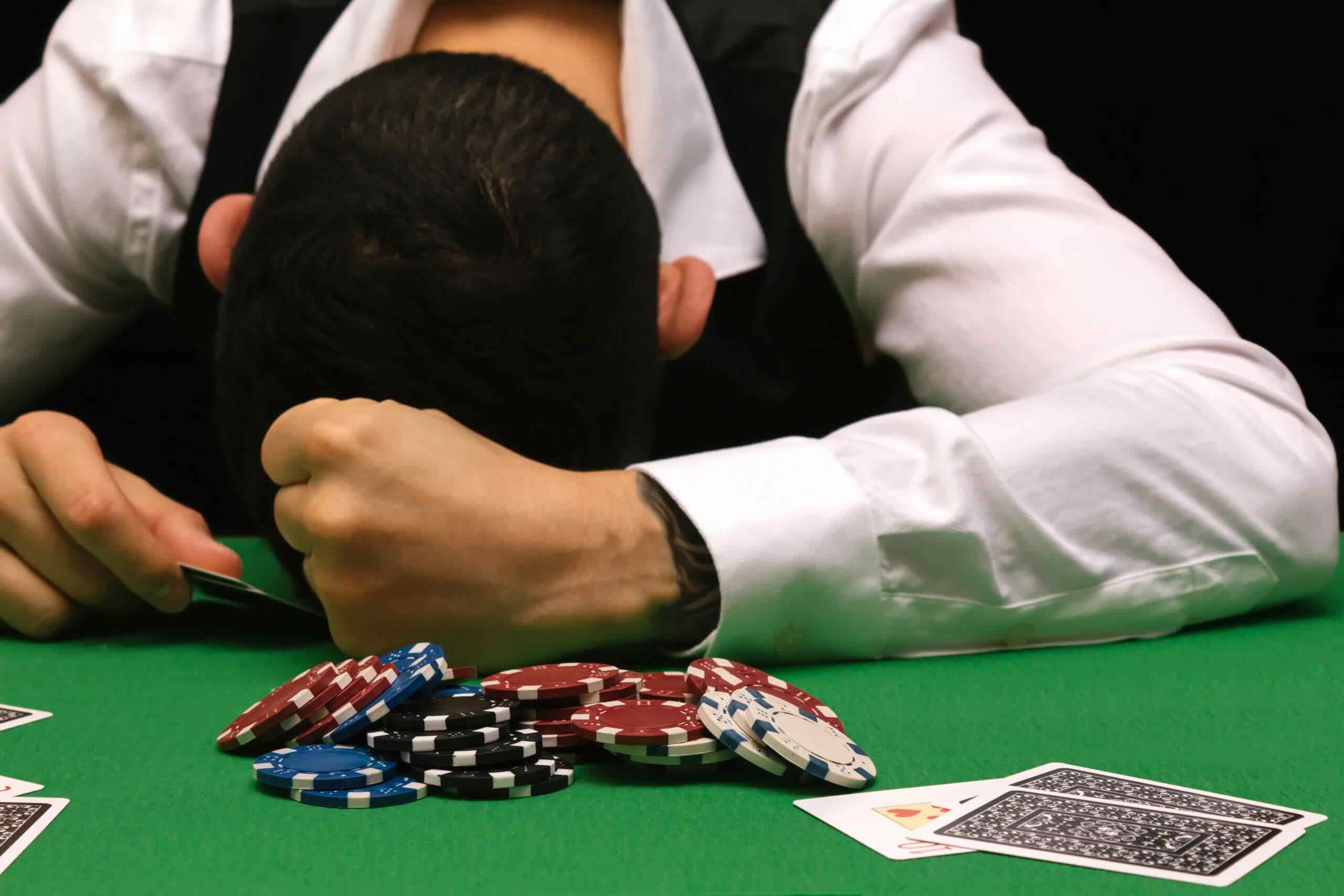
Moreover, many gamblers find satisfaction in the challenge that comes from strategizing their gameplay. This mix of emotional highs and strategic thinking keeps individuals returning to casinos, as they seek to amplify their successes while navigating the risks involved. It becomes a captivating psychological dance between desire and outcome.
The Social Element of Gambling
Another critical aspect of gambling psychology is the social interaction it fosters. Casinos are not just places for individual play; they are vibrant social environments where players can connect with others. The shared experiences, whether they result in wins or losses, can create bonds among players, enhancing the overall enjoyment of the gambling experience.
Furthermore, the communal atmosphere in casinos often fuels a sense of belonging, drawing individuals who might crave social connections. This shared environment can lead to increased engagement in the gaming experience, as players cheer for one another or exchange strategies, thus reinforcing their involvement in the gambling community.
Addiction and Psychological Traps
While many enjoy gambling responsibly, the potential for addiction remains a significant psychological concern. The thrill of winning can be addicting, leading individuals to chase losses or play beyond their means. This behavior often stems from a cognitive bias known as the “gambler’s fallacy,” where individuals believe that previous outcomes affect future results, leading them to irrational decision-making.
Casinos are designed to encourage prolonged play through various psychological strategies, such as ambient noise, lighting, and free rewards, which can further entrap players. Awareness of these psychological traps is essential for gamblers to maintain a healthy relationship with gaming and avoid the pitfalls of addiction.
The Role of Marketing and Environment
The casino environment is carefully curated to evoke certain feelings and behaviors that encourage spending. Bright lights, captivating sounds, and enticing aromas are all incorporated to create an atmosphere of excitement and intrigue. This sensory overload can lead to overstimulation, prompting players to lose track of time and money while pursuing the elusive thrill of a win.
Additionally, marketing strategies employed by casinos contribute to their appeal by highlighting big wins and promoting a lifestyle associated with success. This framing can create a fantasy that makes gambling seem more accessible and enticing, further attracting individuals to the casino experience.

Maintaining a Secure Gambling Environment
In the context of responsible gambling, it is vital for platforms to ensure a safe environment for users. Websites and casinos often implement security measures, such as encryption and monitoring, to protect players from potential threats. A secure setting not only enhances the gambling experience but also instills a sense of trust among participants.
Encouraging responsible gambling practices is essential for sustaining a healthy gaming culture. By promoting awareness of the psychological aspects of gambling and ensuring protective measures are in place, stakeholders can help mitigate risks while allowing players to enjoy the thrill that casinos offer.