The Psychology Behind Casino Design
Casinos are meticulously designed to provoke emotional responses that enhance the gambling experience. From the moment you step inside, the layout is crafted to keep players engaged and encourage them to spend more time. Bright lights, vibrant colors, and strategic placement of games create a sensory overload that can lead to impulsive decisions, especially when paired with various betting sites that further entice players to place bets. The absence of windows and clocks further disorients players, making it difficult for them to keep track of time, often leading to prolonged gambling sessions.
Another psychological tactic employed by casinos is the use of sounds. The jingles and cheers from successful slots or table games create an atmosphere of excitement, reinforcing the idea that wins are just around the corner. This auditory stimulus plays a significant role in keeping players alert and interested, making them more likely to continue playing. Together, these design elements form a powerful psychological strategy that casinos leverage to maintain customer engagement.
Furthermore, casinos often utilize cognitive biases to their advantage. For instance, the “gambler’s fallacy” leads players to mistakenly believe that past outcomes influence future events, such as the likelihood of winning at a game. This could drive players to continue betting even after experiencing losses, as they may think they are “due” for a win. Understanding these psychological aspects can help players make more informed decisions and counteract the subtle manipulations at play.
The Truth About House Edge and Odds
One of the most significant secrets casinos keep is the inherent house edge present in all games. The house edge is a statistical advantage that ensures the casino will always make a profit over the long term. For example, in roulette, the presence of the zero or double zero gives the house a slight edge, which players often overlook. While luck plays a role in short-term outcomes, the house edge ensures that, over time, the casino will consistently come out ahead.
Players should also be aware that each game has its own set of odds that are not generally favorable for the player. For instance, while slot machines might seem like a fun and carefree way to gamble, their odds are heavily stacked against players. The random number generators used in digital slots create a situation where, despite occasional small wins, the long-term trend is one of diminishing returns for players. A deep understanding of the odds can empower players to make smarter betting decisions.
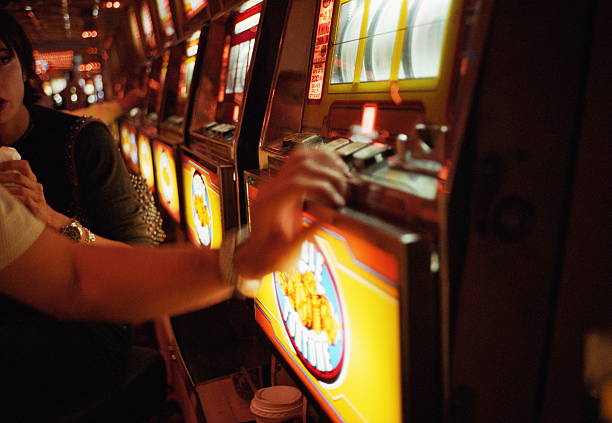
Moreover, the misconception that progressive jackpots provide a higher chance of winning can lead to misguided strategies. Many players assume that larger jackpots mean better odds, but in reality, these games often have higher house edges. Therefore, being informed about game mechanics and odds can help players avoid falling into traps that casinos set and make more strategic gambling choices that minimize losses.
The Role of Comps and Loyalty Programs
Casinos use complementary goods and services, known as “comps,” to attract and retain players. These can range from free drinks to luxury hotel stays. While these incentives seem generous, they are designed to encourage players to spend more time gambling. The more you play, the more likely you are to receive comps, creating a cycle where players feel compelled to gamble even when they may not have planned to. This tactic can be a double-edged sword, as players may end up spending more money than they originally intended.
Loyalty programs are another method casinos use to keep players engaged. These programs often provide tiered rewards based on gaming activity, enticing players to increase their gambling in hopes of obtaining better rewards. However, many players fail to realize that the rewards are often not worth the additional money spent. Understanding the true value of these loyalty programs can help players avoid the trap of gambling simply to earn perks that may not significantly benefit them.
Ultimately, players should approach comps and loyalty programs with caution. While they can add an element of fun, they should not be the sole reason for gambling. A more effective strategy is to focus on enjoying games within a pre-set budget, treating any comps received as a bonus rather than a reason to gamble beyond one’s means. This mindful approach will help mitigate losses and allow players to enjoy the experience more thoroughly.
Winning Strategies and Myths
Many players approach gambling with a myriad of beliefs and superstitions about how to win, but it is crucial to separate fact from fiction. For instance, strategies like card counting in blackjack are often overestimated in effectiveness. While card counting can provide an edge, it requires skill, practice, and a deep understanding of the game. Moreover, casinos are aware of card counting techniques and may bar players who exhibit such behavior, making it a risky strategy for the average gambler.

Another prevalent myth is the idea of “hot” or “cold” machines, particularly in slot games. Many believe that certain machines are on a winning streak or, conversely, are overdue for a payout. In reality, each spin is independent due to random number generators, and past outcomes do not influence future results. Holding onto these beliefs can lead players to make poor decisions based on emotion rather than logic, which can quickly deplete their bankroll.
In order to develop a more effective winning strategy, players should focus on games with a lower house edge and learn the rules thoroughly. Utilizing bankroll management techniques—setting limits on losses and wins—can also help maintain a healthier gambling experience. Understanding the mathematical principles behind games can enhance a player’s chance of making informed decisions while mitigating risks associated with gambling.
Exploring Online Casino Options
The rise of online casinos has transformed the gambling landscape, offering players a new realm of options. While they share many features with traditional casinos, online platforms often come with distinct advantages. For instance, the convenience of gambling from home and the ability to play a wider variety of games often attract players. Additionally, online casinos frequently offer better odds and promotions due to lower overhead costs compared to land-based establishments.
However, players must also be cautious when navigating the online casino landscape. Not all online platforms are created equal, and some may not adhere to fair gaming practices. It’s vital to research and choose reputable sites that are licensed and regulated by appropriate authorities. Such platforms typically provide transparency regarding their odds and payout rates, ensuring a fair gaming experience.
Moreover, understanding the terms and conditions associated with bonuses and promotions can save players from potential pitfalls. Often, bonuses come with wagering requirements that must be met before any winnings can be withdrawn. Familiarizing oneself with these terms will enable players to make more informed decisions and prevent frustration down the line. As online gambling continues to evolve, staying educated about various platforms and their offers will be essential for a rewarding experience.