Horse racing has long been regarded as an essential part of the culture and sport in the UK. It not only captivates millions of fans but also generates significant economic activity. However, a series of cancellations can disrupt this vibrant scene profoundly. In this article, we’ll dive into various aspects of UK horse racing that are not on schedule, examining the causes, impacts, and future outlook for the industry. For more insights into the equine world, visit UK horse racing not on GamStop https://equifacs.co.uk/.
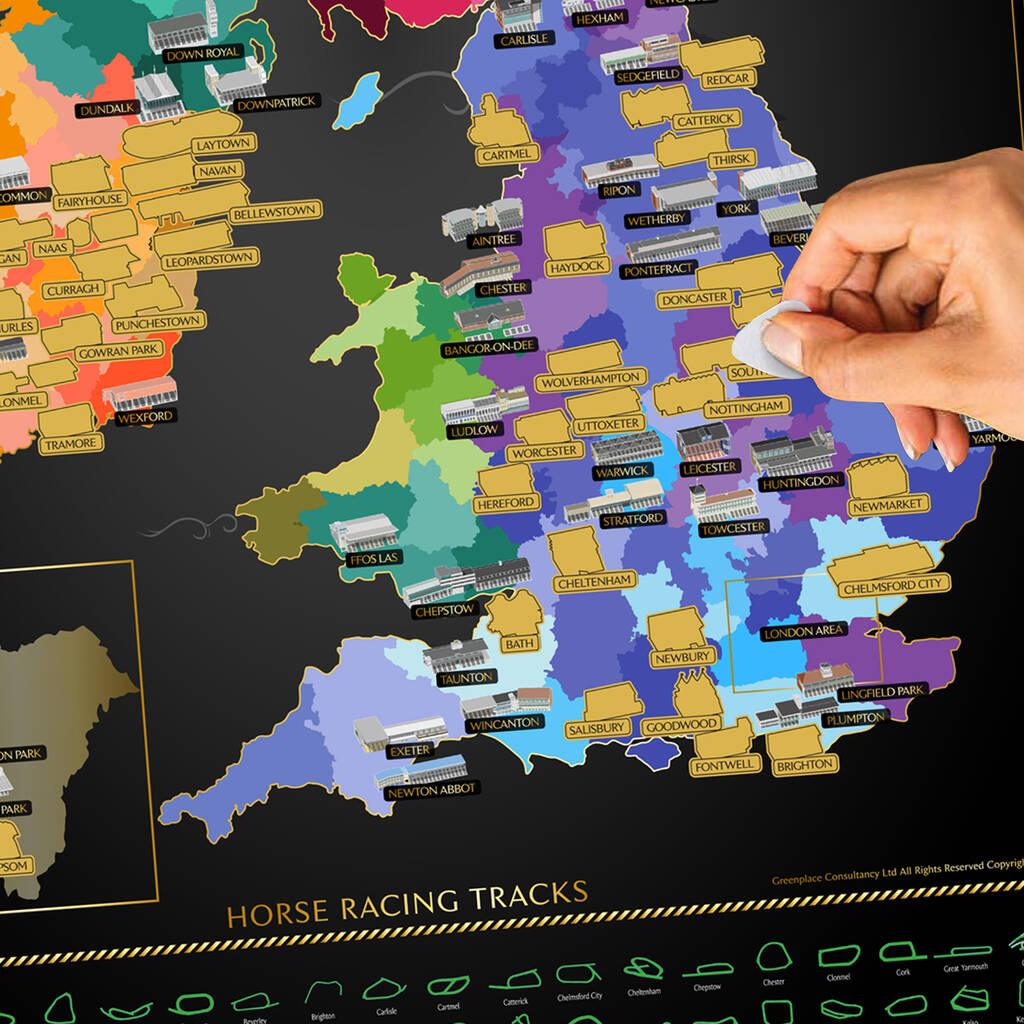
The Landscape of UK Horse Racing
The UK has a rich tradition of horse racing, with numerous events ranging from local point-to-point races to prestigious fixtures like the Grand National and Royal Ascot. Each year, millions flock to tracks across the country, entranced by the thrill of competition and the opportunity to wager on their favorite horses. The industry not only entertains but also supports trainers, grooms, owners, and many more. However, cancellations, whether due to weather, health crises, or logistical issues, pose a significant threat to this beloved sport.

Factors Leading to Race Cancellations
The factors leading to cancellations in horse racing can be categorized into several distinct areas:
1. Weather Conditions
One of the most common reasons for horse racing cancellations is adverse weather. Heavy rainfall can lead to waterlogged ground conditions, making tracks unsafe for racing. Similarly, extreme heat can also cause concerns for both horses and jockeys. Racecourses constantly monitor weather conditions to ensure the safety of all participants. With climate change affecting weather patterns, the need for adaptive strategies becomes increasingly vital.
2. Health Crises
The outbreak of disease among horses can lead to immediate cancellations, as seen during the equine flu outbreak in 2019. Health concerns can escalate quickly, prompting governing bodies to take preventive measures. These cancellations often come at a significant cost, affecting not just racegoers but also the livelihoods of those involved in the sport.
3. Logistical Issues
Cancellations can also arise from logistical issues, such as lack of staff or facilities. For example, if a racetrack does not have sufficient medical personnel available, they may choose to cancel the event. Staffing shortages can be affected by various factors, including strikes, illness, or even unexpected surges in attendance that exceed the venue’s capacity.
The Economic Impact of Cancellations
Cancellations not only diminish spectator enjoyment but also lead to severe economic ramifications. The financial implications extend beyond just ticket sales; they affect multiple stakeholders:
- Racecourses: Loss of revenue from ticket sales, concessions, and sponsorships.
- Trainers and Owners: A canceled race can mean lost opportunities for owners to showcase their horses and for trainers to demonstrate their skills.
- Gamblers: Bettors who place wagers are often left in disappointment, which can shake trust in the reliability of the events.
The Human Element: Impact on Stakeholders
The cancellation of a race does not solely impact finances; it also affects the people involved in the sport. From the grooms who tend to the horses to the owners who invest time and resources, the emotional toll can be significant. The horses themselves, after all, prepare tirelessly for these events, and their connections feel the weight of these lost chances.
1. The Trainer’s View
For a trainer, each race is an opportunity to prove the effectiveness of their training regimen. Cancellations disrupt their carefully laid plans and can hinder the horses’ preparation for future races. Moreover, trainers rely on stakes races for income; hence, cancellations can lead to financial strain.
2. The Owner’s Perspective
Owners invest substantial amounts of money in training and bearing costs associated with their horses. Cancellations may also lead to a decrease in horse value, affecting their standing in the competitive market. For many owners, these events are not just investments, but also a passion, and cancellations can dampen their enthusiasm.
3. The Jockey’s Experience
Jockeys, too, find their livelihoods directly affected by cancellations. Not only do they miss out on race fees, but it can also impact their standings and reputation in the sport. Each race represents a chance for jockeys to showcase their skills and further their careers.
Looking Ahead: Adapting the Industry
The troubling trend of cancellations calls for proactive measures to adapt and fortify the industry. Various stakeholders must collaborate to create comprehensive strategies focusing on:
1. Health and Safety Protocols
Establishing stringent health protocols can help mitigate the risk of disease outbreaks, ensuring that racing can continue smoothly. Increased veterinary checks and enhanced hygiene practices can play a critical role in preserving animal and human health.
2. Advanced Weather Monitoring
Investing in better technology allows for improved weather forecasting and ground monitoring, helping officials make timely decisions about race viability. This technology can include ground sensors and detailed meteorological systems that provide up-to-date information on conditions.
3. Financial Safety Nets
The introduction of financial safety nets, such as insurance and compensation funds for stakeholders, could mitigate the economic impact of cancellations. Providing financial support to trainers, grooms, and owners would help stabilize the industry during tough times.
Conclusion
While the excitement of horse racing captivates fans in the UK, the reality of cancellations looms large over the industry. Contributing factors range from unpredictable weather to health crises, each having far-reaching impacts on a diverse range of stakeholders. However, by embracing proactive strategies, the UK horse racing community can work together to ensure its resilience, enabling it to continue captivating audiences for years to come. As we look at the future, collaboration, adaptation, and innovation will be the keys to not just surviving but thriving in the face of adversity.