
Understanding OFAC Sanctions List Countries
The Office of Foreign Assets Control (OFAC) administers and enforces economic and trade sanctions based on US foreign policy and national security goals. The sanctions apply to countries, regimes, individuals, and entities that engage in activities contrary to US interests. To learn more about this topic, visit OFAC sanctions list countries https://reyman.net/pages/ofac-sanctions-list-countries-full-guide.html.
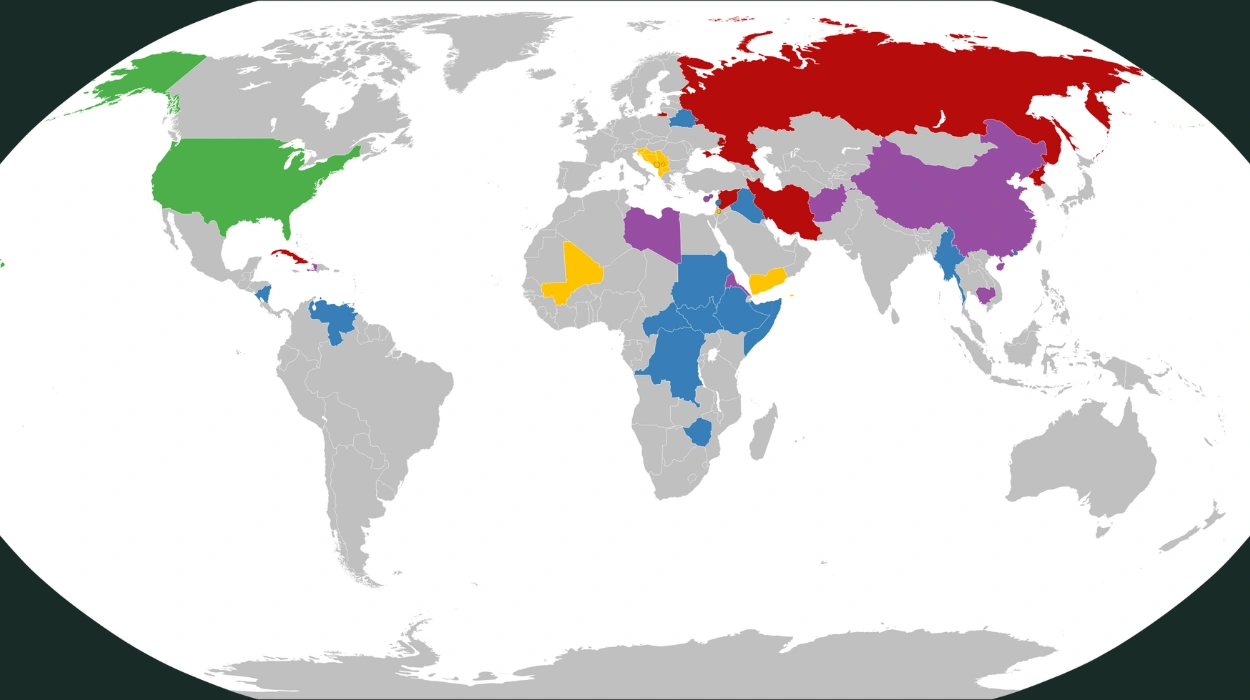
What are OFAC Sanctions?
OFAC sanctions are measures imposed by the US government to restrict economic activity with certain nations or groups. These sanctions can vary in scope and complexity, depending on the nature of the threat perceived by the US. The goals of OFAC sanctions typically include:

- Encouraging compliance with US laws and international norms.
- Deterring human rights abuses.
- Preventing the spread of weapons of mass destruction.
- Reducing terrorism financing.
Categories of Sanctions
OFAC sanctions can be broadly categorized into three main types:
- Comprehensive Sanctions: These are imposed against entire countries and prohibit all transactions, including trade, investment, and even humanitarian aid. Notable examples include North Korea and Iran.
- Targeted or List-Based Sanctions: These prohibit transactions with specific individuals, entities, or sectors. Countries like Russia and Syria may have targeted sanctions against certain individuals linked to government actions.
- Sectoral Sanctions: These focus on specific industries within a country, such as the energy or financial sector, allowing for some level of economic engagement while limiting others.
Countries on the OFAC Sanctions List
As of October 2023, some countries prominently featured on the OFAC sanctions list include:
- North Korea: Sanctions are aimed at curbing nuclear weapons development and other destabilizing activities.
- Iran: Various sanctions target the regime for its nuclear program and support of terrorism.
- Syria: Sanctions focus on the government’s repression of its people and its use of chemical weapons.
- Russia: Targeted sanctions are in place related to aggression against Ukraine and interference in US democratic processes.
- Venezuela: Sanctions aim to counteract corruption and human rights violations by the regime.
Impacts of Sanctions
Sanctions can have significant economic impacts, not only on the targeted countries but also on global markets. Businesses and individuals engaged in transactions that involve these countries face heightened risks and compliance burdens. Key impacts include:
- Economic Isolation: Targeted countries often experience isolation from global financial systems, leading to economic contraction and hardship for citizens.
- Legal Compliance: Companies must implement robust compliance programs, as violations of sanctions can result in severe penalties, including fines and imprisonment.
- Market Uncertainty: Political instability and changes in sanctions can create volatility in international markets, affecting trading decisions.
Compliance Requirements
For businesses navigating OFAC sanctions, compliance is crucial. Here are some critical steps to ensure adherence to regulations:
- Screening: Regularly screen clients and transactions against the OFAC sanctions list to identify potential risks.
- Training: Provide training for employees on sanctions regulations and potential penalties for non-compliance.
- Monitoring: Establish ongoing monitoring systems for transactions that could involve sanctioned parties or countries.
Conclusion
Understanding OFAC sanctions and the countries involved is vital for businesses engaging in global trade. Compliance with sanctions is not just a legal obligation; it is a critical aspect of responsible and ethical business practice. As geopolitical dynamics evolve, so too will the nature of these sanctions. Staying informed and proactive is essential for navigating the complexities associated with the OFAC sanctions list.