The Nature of Luck in Gambling
Luck has always been a significant factor in gambling, particularly within the casino environment, and many visit this website to explore games that capture this essence. It can be defined as the unpredictable force that seems to govern the outcomes of games of chance. For many players, each spin of the roulette wheel or shuffle of the cards feels detached from any skillful input, relying instead on randomness and fortune. This intrinsic unpredictability lends itself to the thrill of the game, attracting millions to casinos every year, hoping for that life-changing win.
However, this raises a crucial question: can luck be considered a skill? While luck itself is an uncontrollable element, players can adopt strategies that align them more closely with favorable outcomes. For instance, understanding the nuances of the games they play, such as knowing when to bet high or low, can enhance their chances of winning. Thus, while luck plays a role, being informed and strategic can cultivate an environment where luck seems more favorable.
Moreover, the psychology behind luck also influences how players perceive their experiences in the casino. Players often believe in lucky charms or rituals, which can enhance their confidence and, paradoxically, affect their performance. This psychological approach can create a skillful manipulation of one’s own mindset towards luck, transforming it into a perceived skill that influences decision-making during gambling. Understanding how luck functions within this context can benefit players in their casino endeavors.
Skill-Based Strategies in Casino Games
In the world of casino games, the distinction between luck and skill becomes increasingly blurred, particularly in games like poker and blackjack. In poker, for instance, players need to possess a variety of skills, including mathematical calculations, psychological tactics, and strategic betting. While luck determines the cards dealt, a skilled player can consistently outperform less experienced opponents by making informed decisions based on the available data, thus exhibiting a mastery that transcends mere chance.
Similarly, in blackjack, players employ strategies to improve their odds. Knowledge of card counting, understanding when to hit or stand, and managing one’s bankroll are essential elements that skilled players utilize. This proactive engagement transforms gambling from a purely luck-based endeavor into one that significantly rewards skillful play. As a result, the players who invest time in mastering these strategies can experience a greater sense of control over their outcomes.
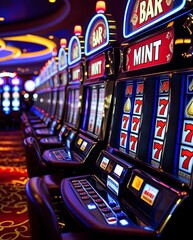
That said, it is essential to recognize that not all casino games allow for skill to dictate outcomes. Slot machines are a prime example where luck reigns supreme; no amount of strategy can influence the random number generator that determines outcomes on these machines. Hence, while skill can enhance the experience and control the odds in certain games, it is not universal across all casino offerings, leading to a varied landscape of luck versus skill.
The Role of Psychological Factors
In exploring whether luck can be perceived as a skill, one cannot overlook the role of psychological factors. Players’ belief in their luck or skill can significantly influence their performance. For example, the concept of “hot” or “cold” streaks often dominates player discussions, leading them to believe they are in a phase of better or worse luck, irrespective of actual odds. This belief can affect how they choose to bet, often leading to increased risks or overly cautious behavior based on their perceived luck.
Furthermore, the emotional highs and lows associated with gambling can result in cognitive biases. Players may remember their wins more vividly than their losses, creating a skewed perception of their luck or skill. This can lead to overconfidence, where a player believes they have a winning strategy, when in reality, their success may have been brief flashes of fortune rather than a consistent skillset. Understanding these psychological mechanisms can help players maintain a more balanced perspective on their gambling experiences.
In addition, casinos often leverage these psychological elements to enhance player engagement. Promotions, free spins, and bonuses exploit the idea of luck to encourage continuous play. When players feel lucky, they are more likely to bet larger amounts, leading to greater losses in the long term. Thus, recognizing how luck and psychology interact can empower players to approach their time at the casino with a clearer mindset, mitigating the highs and lows associated with fortune and skill.
The Impact of House Edge and Game Design
The very structure of casino games incorporates a built-in advantage for the house, known as the house edge. This edge varies by game and is a crucial factor in understanding the interplay between luck and skill. In many cases, even skilled players cannot overcome the inherent advantages designed into the games. For example, in games like roulette and craps, the house edge is significant, indicating that luck will often prevail over any strategy employed by players.
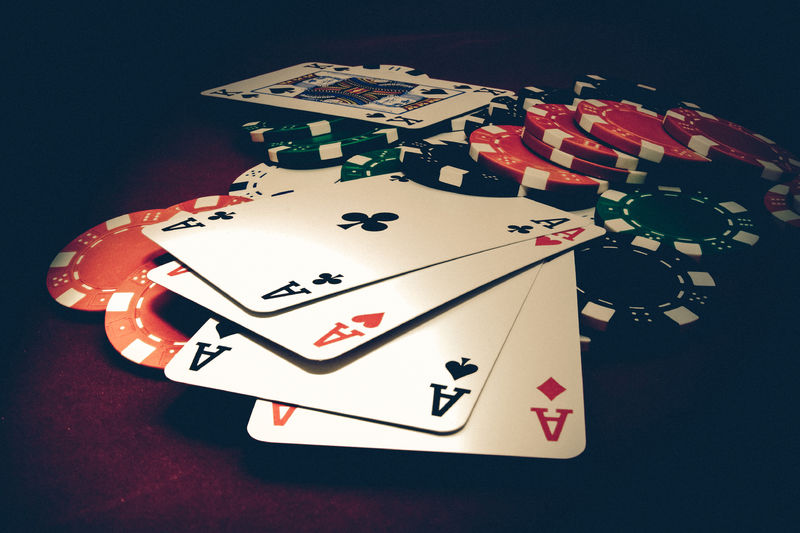
On the other hand, games with a lower house edge, such as blackjack and video poker, allow for greater skill and strategy to come into play. Players who take the time to learn optimal strategies can improve their odds considerably. This leads to a fascinating dynamic: while luck plays a role in the short term, skilled players can mitigate the effects of luck over the long haul. Therefore, the mathematical design of casino games directly influences how luck and skill manifest in the gaming experience.
Moreover, game design and player psychology frequently intertwine. Casinos often create an atmosphere that emphasizes excitement and the potential for winning, which can amplify the perception of luck. As players are immersed in this environment, they may find themselves relying on their feelings of luck rather than concrete skill. Thus, while luck remains an unpredictable factor, the manner in which games are designed can skew player experiences toward a more favorable perception of their success, blurring the lines between skill and luck.
Conclusion: Balancing Luck and Skill in Gambling
In conclusion, the debate over whether luck can be a skill in the casino world is multifaceted and nuanced. While luck is an inherent aspect of gambling, skillful strategies can significantly influence outcomes in specific games, allowing players to improve their overall gameplay. Nevertheless, understanding the limitations imposed by luck and the house edge is essential for players aiming to navigate the casino landscape effectively.
Recognizing the psychological factors at play helps players maintain a balanced approach to gambling. It is crucial to foster a mindset that embraces both the thrill of chance and the proficiency that comes from strategic play. By marrying these two elements, players can enhance their enjoyment and potential success in the casino environment.
Ultimately, whether players view luck as a tangible skill or an uncontrollable aspect of gambling, the interplay between these factors is a defining characteristic of the casino experience. Engaging in responsible gambling practices and seeking to deepen one’s understanding of both luck and skill can lead to a richer, more fulfilling experience in the world of chance. For more insights and strategies on mastering casino games, visit our website, where we delve into the intricacies of gambling and provide valuable resources for players looking to enhance their skills.